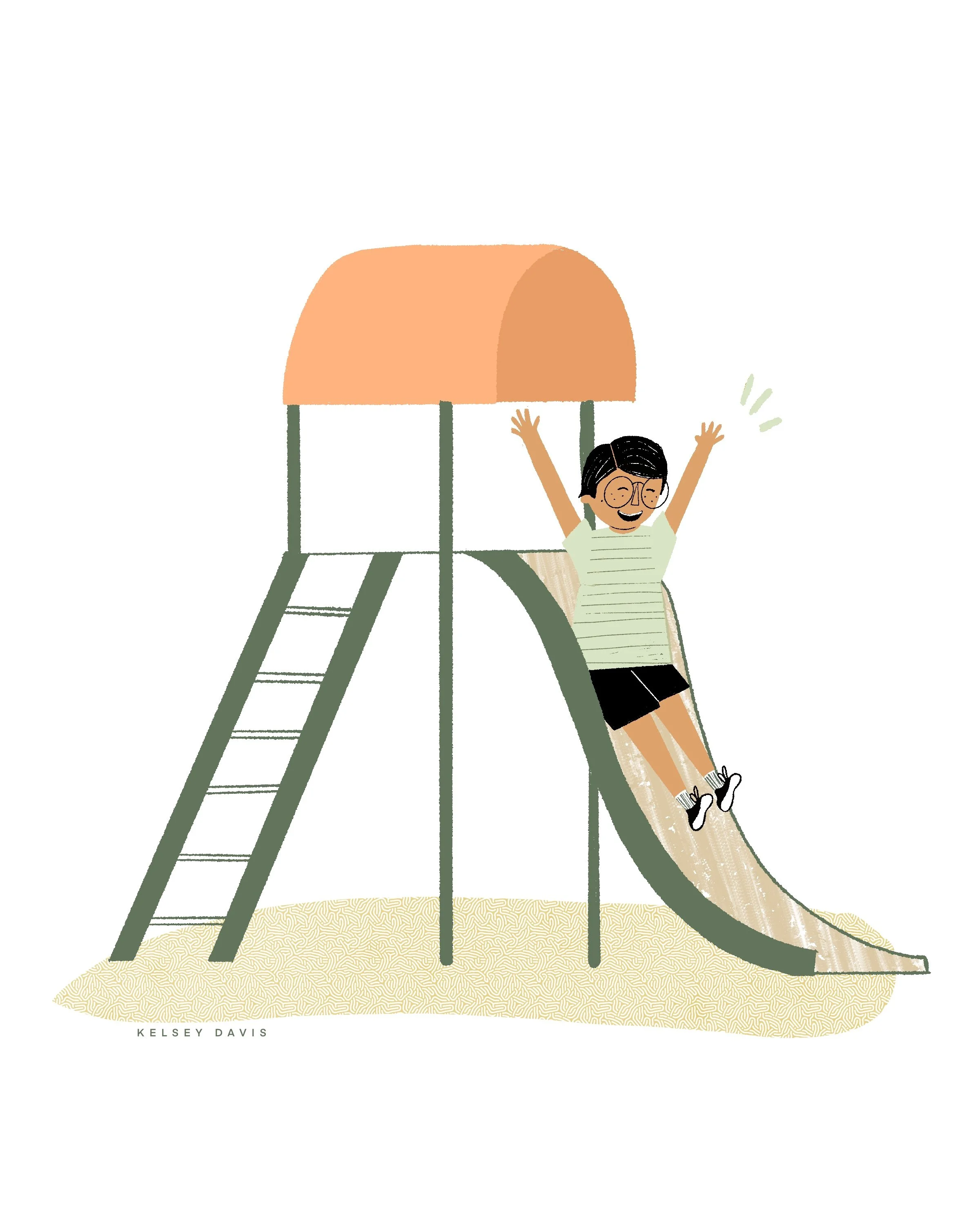
Movement for Learning
Humans need movement throughout the day, not just at limited and specified recess/PE times. By building intentional movement into your daily routines (both in the classroom and schoolwide), teachers and schools can increase focus, improve learning outcomes, prevent discipline problems, and promote physical fitness.
How to do this well:
Establish schedules and use strategies to incorporate movement into your daily routines, both in the classroom and across the school campus. These strategies work in elementary and middle schools.
In the classroom, use movement strategically to support instruction, during transitions, and to respond to students’ energy across the day
Across the school campus, promote movement through structural changes like additional recess periods, whole-school movement breaks, and before-school playground time. A student’s participation in recess or other unstructured time must not be denied as a form of discipline or punishment, or used for instructional makeup.
Integrate movement into adult spaces so that school staff can also benefit
As you work to implement movement routines, ensure you are aware of and responsive to the varying physical needs and abilities of your staff and students.
Why this works:
Movement stimulates the prefrontal cortex, which supports focus, attention, and other executive functions, as well as the hippocampus, which supports memory and learning. We can focus & learn more effectively after a movement break.
One study found that kids did better on a test after walking around for 20 minutes, showing that exercise improves academic outcomes (Hillman, 2009).
Movement increases feel-good neurotransmitters including serotonin and dopamine, which counteract the effects of stress and trauma on the brain. Numerous studies have shown that regular exercise benefits mental health in a number of ways (Landers, 1997).
Playful movement builds feelings of connection and belonging between students and staff.
Students who have recess taken away for misbehavior or to make up schoolwork are often the children who most need the cognitive and behavioral benefits of recess. Maintaining a policy that recess is a right, not a privilege, and incorporating movement in the classroom ensures that all children can benefit from physical activity at school.
Studies have found that adding recess/PE periods does not lower academic achievement
Studies have shown that for children with most misbehavior, adding physical activity decreases referrals & suspensions, and increases academic achievement